Why Power Surges Happen and What You Can Do to Protect Your Home
Power surges happen when too much voltage flows through your wiring for a short time. This sudden spike can damage appliances, fry electronics, and even start fires. The most common causes are lightning strikes, faulty wiring, damaged power lines, and large appliances turning on and off. The good news is that most surges can be reduced or stopped with the right steps, including electrical surge protection installed at your panel and outlets.
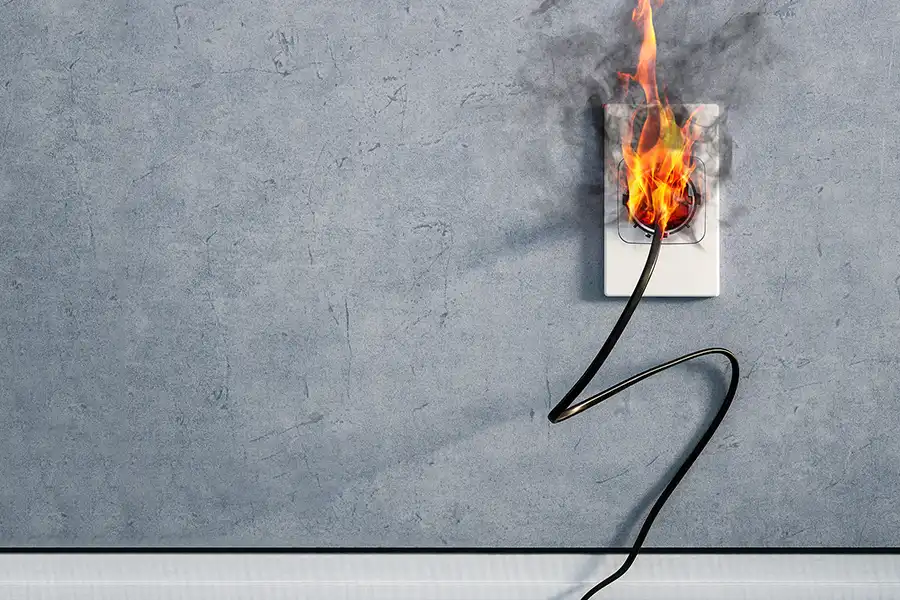
Common Signs You May Have a Surge Problem
Not all surges are big and obvious. Many are small and happen often. Over time, they wear down your devices.
- Lights flicker or dim for no clear reason
- Electronics reset or shut off by themselves
- Circuit breakers trip often
- Outlets feel warm or smell burnt
- Appliances stop working sooner than expected
If you notice one or more of these signs, your home may have a voltage issue.
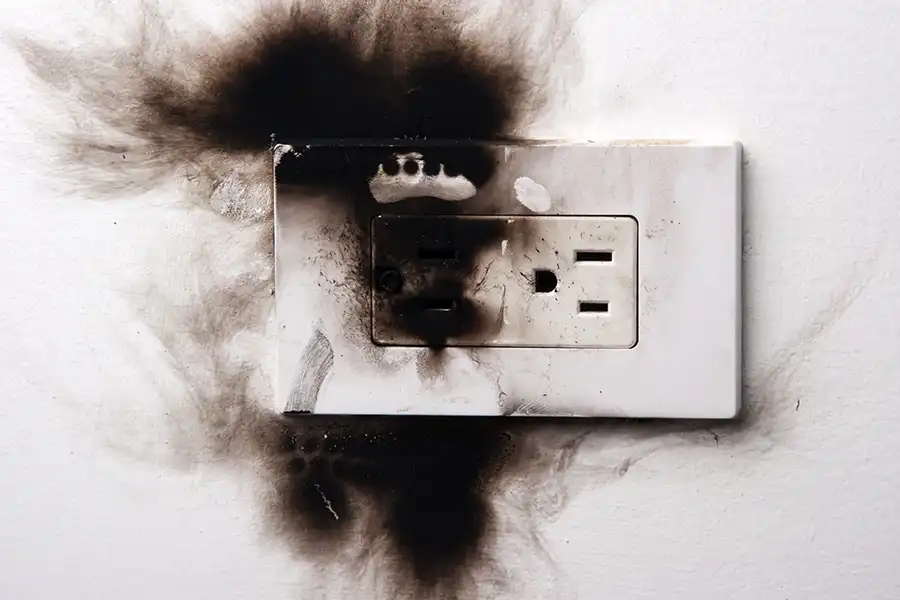
Most Common Causes of Power Surges
Power surges can come from inside or outside your home. Here are the usual causes.
- Lightning strikes: A nearby strike can send a strong surge through power lines.
- High-powered appliances: Air conditioners and refrigerators need a lot of power. When they turn on, they can create small surges.
- Damaged or old wiring: Wires that are loose or worn can cause unstable voltage.
- Utility company issues: Downed lines or grid switching can send extra voltage into your system.
- Overloaded circuits: Too many devices on one circuit can lead to spikes and breaker trips.
Even small, repeated surges can slowly damage circuit boards and motors.
What to Check First at Home
If you think you have a surge issue, start with simple checks.
- Unplug sensitive electronics and inspect cords for damage.
- Check your breaker panel for tripped breakers.
- Spread out large appliances on different circuits if possible.
- Use quality surge protector strips for TVs and computers.
- Watch for patterns, like surges during storms.
These steps can lower your risk, but they may not solve the root problem.
Safe Fixes Vs Professional Solutions
Some fixes are easy and safe for homeowners. Others require a licensed electrician.
Safe steps you can take:
- Install plug-in surge protectors for electronics.
- Replace damaged extension cords.
- Avoid overloading outlets with power strips.
Professional-level fixes:
- Install whole-home electrical surge protection at the main panel.
- Upgrade outdated wiring.
- Repair grounding issues.
- Inspect and improve your electrical system after a lightning event.
Whole-home electrical surge protection guards every circuit in your house. It works with your panel to block or redirect extra voltage before it reaches your devices. This step offers much stronger safety than outlet strips alone. It is often done as part of an electrical surge protection or electrical installation service.
How to Prevent Future Power Surges
You cannot stop lightning or utility problems. But you can lower your risk.
- Schedule regular electrical inspections.
- Upgrade old panels and wiring.
- Use dedicated circuits for major appliances.
- Install a whole-home surge protection system.
- Keep trees trimmed away from power lines near your house.
Prevention costs far less than replacing a refrigerator, HVAC unit, or home office equipment.
When to Call a Professional
If breakers trip often, outlets spark, or appliances keep failing, it is time for a licensed electrician. Surges tied to wiring or panel problems can become fire hazards. Homes with older electrical systems are at higher risk. A professional can test voltage levels, check grounding, and recommend the right level of electrical surge protection for your setup.
Protect Your Home From Costly Electrical Damage
If you are dealing with frequent power issues in Oviedo, FL, we can help find the cause and fix it safely. At Oviedo All Phases Electrical Contracting, we install and service whole-home protection systems that guard your appliances and electronics. Call us at (407) 547-1422 to schedule an inspection and let us protect your home from future surges.